Trophy Bass Don't Care About Your Zip Code: The Rise of Urban Fishing in America
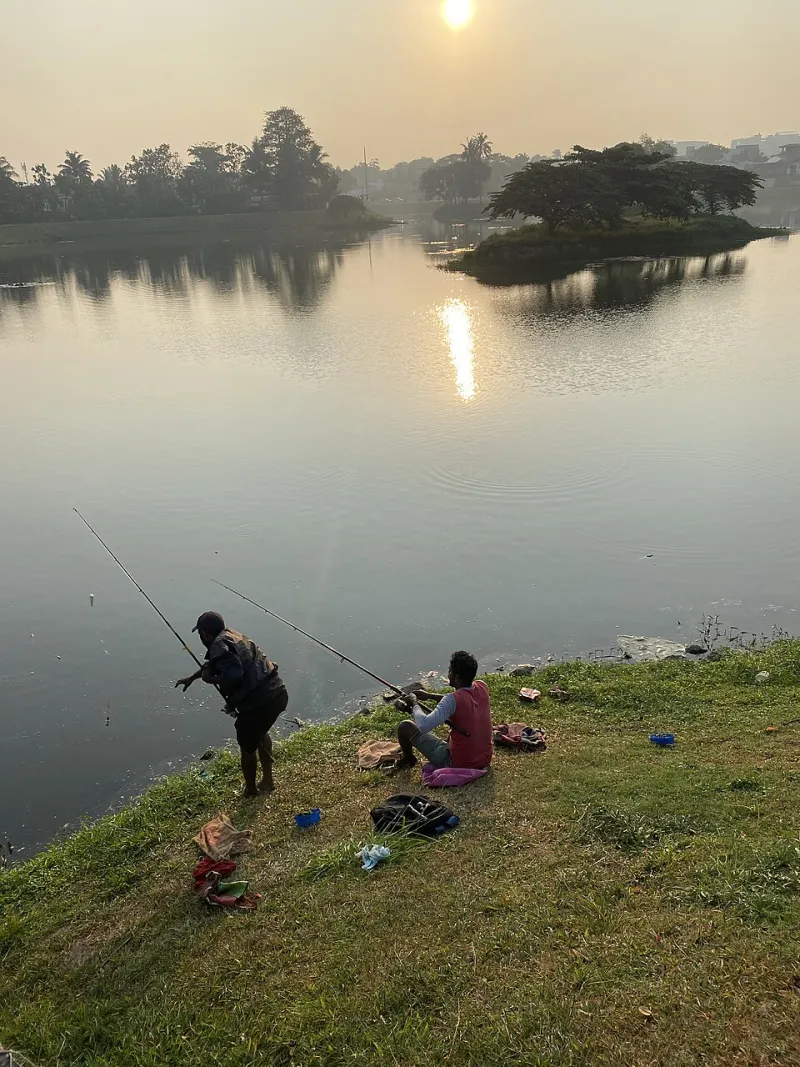
Photo: SraniOrang, CC BY-SA 4.0, via Wikimedia Commons
There's a persistent myth in the fishing world that goes something like this: real fishing — the kind worth talking about — only happens somewhere remote. Somewhere that requires a cooler full of road snacks and a playlist for the drive. Somewhere that definitely isn't a 20-minute bus ride from your apartment.
A growing community of urban anglers is calling that bluff, and they've got the photos to prove it.
Across cities from Los Angeles to Chicago to Miami, recreational fishermen are quietly discovering that the ponds, canals, and urban reservoirs in their own backyards are holding more fish than anyone gave them credit for — including, in some cases, genuine trophy-class largemouth bass. The secret isn't a secret at all. It's just that most people never bothered to look.
Why Cities Are Actually Good for Fish
Urban water bodies get a bad rap, and sometimes it's deserved. But a lot of city lakes and retention ponds have been quietly improving for years, thanks to stocking programs run by state fish and wildlife agencies, reduced fishing pressure compared to popular rural destinations, and the surprisingly rich food chains that develop in warm, nutrient-heavy urban water.
That last point is worth dwelling on. Warm water plus nutrients — even the ones you'd rather not think about — equals abundant invertebrate life, which equals baitfish, which equals big predators. Urban bass, in particular, often grow fast. They're eating well, and they're not getting hammered by weekend tournament crowds.
Low pressure is the other underrated factor. A suburban retention pond that sits next to a strip mall might see a handful of anglers a month. Compare that to a popular lake on a Saturday in June, and you start to understand why some city fish are remarkably naive — and why a well-placed plastic worm can produce a strike almost immediately.
City-by-City: Where the Action Is
Los Angeles, California
LA is one of the most underrated fishing cities in the country. The Santa Fe Dam Recreation Area in Irwindale holds a legitimate bass fishery, and the lake at Legg Lake in Whittier Narrows Regional Park is well-stocked and accessible via Metro. The Los Angeles River — yes, that concrete channel — actually holds bass and carp in its softer-bottom stretches, particularly around the Glendale Narrows where vegetation takes hold. Urban fly fishers have been quietly working it for years.
The California Department of Fish and Wildlife stocks multiple urban lakes in the LA basin through its Urban Fishing Program, which also provides reduced-cost licenses at participating locations. Check their site for the current list — it changes seasonally.
Chicago, Illinois
Chicago's park district manages dozens of lagoons and ponds scattered throughout the city's green spaces, many of them stocked with largemouth bass, bluegill, and channel catfish. Humboldt Park Lagoon and the Jackson Park Lagoon on the South Side are well-known among local anglers and produce solid fish through the summer. The Chicago River system is also worth exploring — smallmouth bass have established a genuine population in certain stretches, and reports of quality fish turn up regularly in local forums.
Illinois has a Fishing in Chicago program that runs free clinics and loaner gear events throughout the season, making it one of the more beginner-friendly urban scenes in the Midwest.
Miami, Florida
South Florida might be the single best urban fishing environment in the country, and it's not particularly close. The canal network that runs through Miami-Dade County is staggering in scale — hundreds of miles of connected waterways threading through neighborhoods, shopping centers, and office parks. These canals hold peacock bass (an introduced species that has thrived in South Florida's warm climate), largemouth bass, snook, tarpon in tidal sections, and more.
The peacock bass fishery alone draws dedicated anglers from around the world. Finding a good canal access point in Miami is largely a matter of walking around and looking for public right-of-way — many canal banks alongside roads are publicly accessible, though it's worth confirming with the South Florida Water Management District for specific stretches.
Houston, Texas
Houston's bayou system doesn't get the attention it deserves. Buffalo Bayou and its tributaries hold bass, catfish, and gar, and the city's many retention lakes and neighborhood ponds are regularly stocked by Texas Parks and Wildlife. Memorial Park, sitting right in the middle of the city, has fishing access that surprises most visitors. Sheldon Lake State Park, technically on the eastern edge of the metro area, offers a more structured experience with reliable bass action.
New York City, New York
Yes, really. Central Park's Harlem Meer is stocked with bass and catfish each spring through a partnership with the Central Park Conservancy and the state DEC. Prospect Park Lake in Brooklyn holds largemouth bass and has produced some legitimately impressive fish over the years. The freshwater ponds of Staten Island, including Willowbrook Park's lakes, are worth the trip for city anglers who'd rather take the ferry than drive upstate.
New York State's I FISH NY program actively promotes urban fishing access and runs free fishing events throughout the five boroughs during the season.
Navigating Access and Permissions
Urban fishing does come with one complication that rural fishing usually doesn't: figuring out who owns what and whether you're allowed to be there.
The safest starting points are always publicly managed parks and recreation areas — city parks, county forest preserves, state recreation areas. These have clear access rules and are generally free to fish with a valid state license.
Beyond obvious park land, things get murkier. Retention ponds behind shopping centers, apartment complex lakes, and private community ponds are technically off-limits without permission, even when they look accessible. The good news is that many property managers will say yes if you ask politely — especially if the pond has a maintenance issue with overpopulated stunted fish, which is common. A phone call to the property management company can open up water that most people assume is closed.
For canal systems like Miami's, the key is right-of-way access. Canal banks that run alongside public roads are often fishable, but the water management districts that control them publish access maps. It's worth downloading them.
Gear Considerations for City Fishing
Urban fishing often means fishing in tighter quarters — smaller ponds, overgrown banks, areas where a long casting stroke isn't practical. A medium-light spinning setup in the 6'6" to 7' range handles most situations well. Finesse presentations — drop shots, small ned rigs, light Texas rigs — tend to outperform heavy power fishing gear in pressured urban water.
Braided line in the 10–15 lb range with a fluorocarbon leader is a solid all-around choice for bass in urban environments. It handles the occasional submerged shopping cart or dock piling better than mono, and the sensitivity helps in murky water where feel matters more than sight.
The Community Side of Urban Fishing
One of the most interesting things about the urban fishing scene is how tight-knit it's become. Instagram and YouTube have given city anglers a platform to document what they're catching, and the result is a growing body of local knowledge that didn't really exist publicly five years ago. Searching "[your city] fishing" on YouTube will often turn up dedicated channels run by local anglers who've done the legwork of finding access points and figuring out what works.
Local Facebook groups and subreddits (r/fishing has active city-specific threads) are also worth joining. Urban anglers tend to be generous with information — partly because the fisheries are often underutilized enough that sharing doesn't hurt anyone.
The Bottom Line
Great fishing and remote wilderness are not the same thing. They never were. The assumption that they're linked has kept a lot of urban anglers sitting on the sideline, waiting for a vacation week or a long drive that may not come.
The fish in your city's parks and waterways aren't waiting. They're just sitting there, eating, growing, and wondering why nobody's bothering to show up.