Stop Casting Blind: How to Crack Any New Body of Water in Under 10 Minutes

Photo: angler reading lake structure from boat with fishing rod polarized sunglasses, via res.cloudinary.com
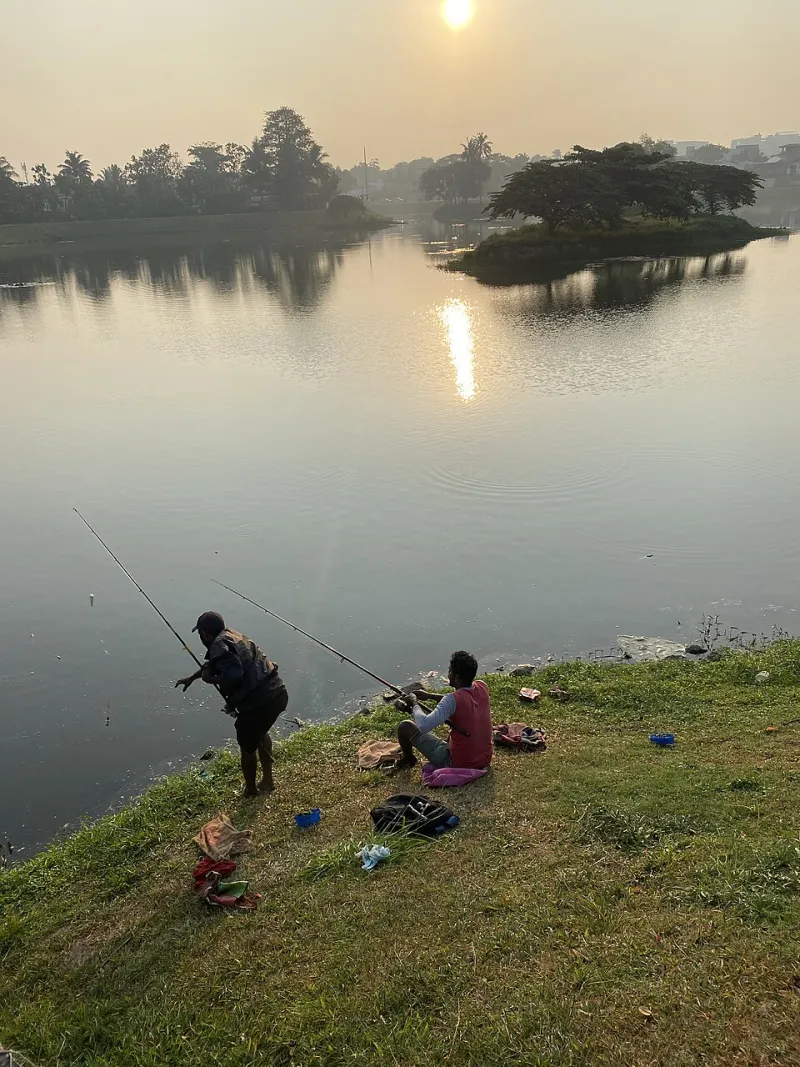
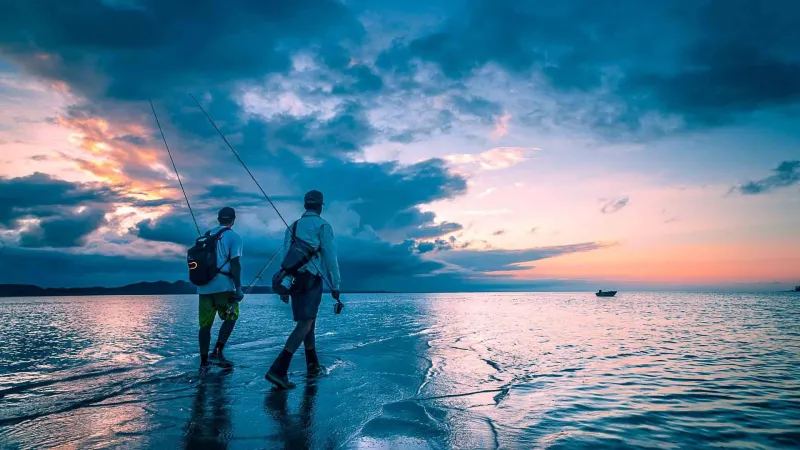
You pull into a new lake access point, grab your gear, and stare out at a couple hundred acres of water. Where do you even start?
If your answer is "that shady bank over there looks good" or "I'll try the dock first," you're fishing like most people do — which is to say, mostly guessing. There's nothing wrong with that on a lazy Sunday. But if you actually want to put fish in the boat on unfamiliar water, you need a system. The good news: experienced guides use one every single time, and it's learnable in an afternoon.
We call it the Microhabitat Method. It's not magic. It's structured observation — a way of breaking down a body of water into smaller, high-percentage zones before you ever make a cast.
Why Fish Stack Up Where They Do
Fish aren't randomly distributed across a lake or river. They're concentrated by a handful of consistent factors: food availability, cover from predators, oxygen levels, and water temperature. The structural features that satisfy multiple needs at once are where fish spend the majority of their time.
Think of it like a city. Most of the population isn't spread evenly across every block — it clusters around transit hubs, grocery stores, and job centers. Fish do the same thing. Your job is to find their version of downtown.
Microhabitats are the specific physical features that create those clusters. They're often small — sometimes just a 15-foot stretch of bank — but they consistently hold more fish than the surrounding water. Learning to spot them fast is the entire game.
The Four Feature Types That Matter Most
1. Drop-Offs and Depth Changes
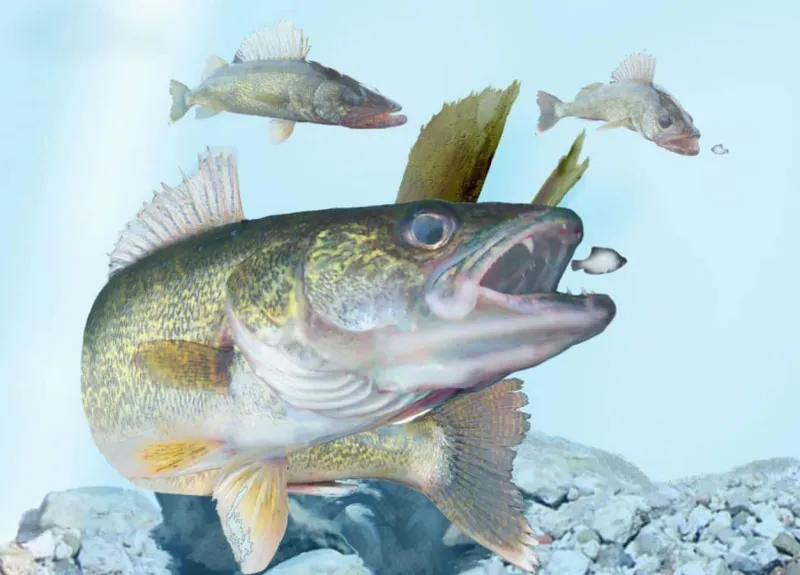
This is the big one. A sharp transition from shallow to deep water acts like a highway for fish. Bass, walleye, crappie, and most other gamefish use these edges to move between feeding and resting zones throughout the day.
You don't need a high-end fish finder to locate drop-offs, though one helps. On clear water, watch for color changes — light green or tan bottom transitioning to darker blue-green usually signals a depth change. Contour maps and apps like Navionics or Fishidy will show you the underwater terrain on mapped lakes before you even launch the boat.
When you find a drop-off, fish the edge — not the deep side, not the shallow side. The transition itself is the strike zone.
2. Vegetation Boundaries
A solid mat of hydrilla or cattails isn't nearly as interesting as where that vegetation ends. The outer edge of a weed line creates a natural ambush point — baitfish get funneled along it, and predators know exactly where to wait.
Look specifically for irregularities in the vegetation line: pockets, points that jut out into open water, or gaps where current or boat traffic has carved an opening. These irregularities concentrate fish within an already productive zone. A flat, unbroken weed edge might hold some fish. A weed point with a pocket next to it? That's a different conversation.
3. Current Breaks
On rivers and moving water, current is everything. Fish are cold-blooded and don't want to burn calories fighting flow all day. They want to sit in slack water and wait for the current to deliver dinner.
Look for anything that deflects or slows the current: bridge pilings, large rocks, fallen timber, or even a bend in the river that creates a back-eddy. The seam between moving and still water — where the two currents meet — is often the most productive two feet of real estate in the entire river. Cast right on that seam and work it slowly.
4. Rock Formations and Hard Bottom Changes
Rocks hold heat. A chunk of submerged rock in early spring can be several degrees warmer than the surrounding soft-bottom mud, and fish know it. In lakes, look for riprap banks, rocky points, or boulder fields. On rivers, mid-channel rocks that break the surface at low water are obvious holding spots.
Hard-bottom transitions — where sand meets gravel, or gravel meets rock — also concentrate crawfish and other forage, which in turn concentrates fish. This one is harder to spot visually, but polarized sunglasses make a huge difference in clear water. In murky conditions, use your rod tip or a jig to feel the bottom change as you work a retrieve.
The 10-Minute Scan Protocol
Here's the actual process, compressed into a pre-fishing routine you can run on any new water:
Minutes 1–3: Aerial Overview Before you launch or wade in, study the shoreline from the access point. Look for points, coves, and any visible structural features. Pull up a satellite image on your phone if you have signal. Identify two or three "anchor spots" worth investigating first.
Minutes 4–6: Depth and Bottom Survey If you're in a boat, do a slow pass over your anchor spots with the trolling motor and read the depth finder. If you're bank fishing, cast a heavy jig out and count it down — you'll feel it hit bottom and can estimate depth by the count. Note where the bottom gets hard or where you feel the depth change.
Minutes 7–9: Vegetation and Structure Check Look for weed lines, fallen timber, dock pilings, or any visual cover near your anchor spots. Rank your options. Not all structure is equal — the spot where a rock pile meets a weed edge at the top of a drop-off is worth ten times the lone dock sitting on flat, featureless bottom.
Minute 10: First Cast Start at your highest-priority spot with a presentation that covers water efficiently — a swimbait, a spinnerbait, or a jig depending on conditions. You're not committed to this spot; you're confirming or ruling it out. If you get a bite or a follow in the first few casts, stay and work it thoroughly. If nothing happens after 10–12 casts on different angles, move to spot number two.
A Quick Field Checklist
Print this out or screenshot it for the water:
- Identified at least one drop-off or depth change
- Located vegetation edges and noted any pockets or points
- Found current breaks (on rivers/streams)
- Spotted hard bottom or rock structure
- Ranked spots by how many features overlap
- Started at the highest-overlap spot
- Moving every 10–15 minutes without bites
The Bigger Picture
The Microhabitat Method isn't about being rigid — it's about giving yourself a framework so you're making decisions instead of just hoping. Once you've internalized these features, you start seeing them automatically. A lake you've never fished starts to reveal its structure before you've even rigged up.
The guides who seem to find fish effortlessly on every trip aren't lucky. They're just running this same mental process faster than you are — because they've done it a few thousand times. You're a few trips away from doing the same thing.
Get on the water. Start scanning. The fish are already there.