Put the Phone Down: How Tech Dependency Is Costing You Fish
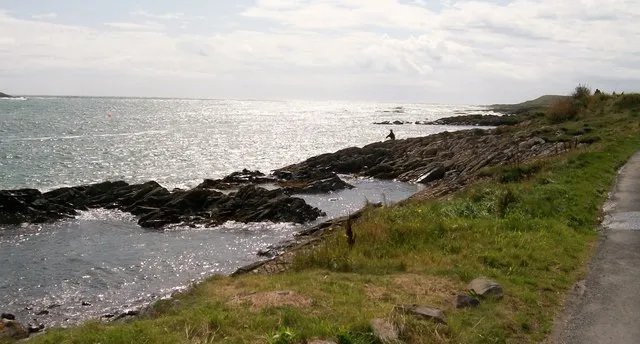
Photo: Eric Jones, CC BY-SA 2.0, via Wikimedia Commons
There's a guy at almost every boat ramp you've ever visited. He's got a fully rigged bass boat, a 12-inch Garmin unit glowing on the console, two phones mounted to his dash running different fishing apps, and a wireless weather station clipped to his life jacket. He studies the screen for twenty minutes before he even cranks the motor.
And then he goes out and gets skunked.
Meanwhile, the old-timer in the aluminum jon boat with a handheld rod and a worn-out tackle box is back at the ramp by 9 a.m. with a cooler that tells a different story.
This isn't a knock on fishing technology. Depth finders, GPS waypoints, and weather apps are genuinely useful tools. But somewhere along the way, a lot of us stopped using them as tools and started using them as substitutes — for observation, for patience, for the kind of slow, earned knowledge that actually makes a skilled angler.
How We Got Here
The shift happened gradually. Smartphones got smarter. Apps like Fishbrain, Navionics, and a dozen weather platforms gave us instant access to bathymetric maps, crowd-sourced catch reports, and hyper-local forecasts. Depth finders evolved from basic sonar units into full-color, forward-facing systems that can practically point a finger at individual fish.
None of that is inherently bad. The problem is what we stopped doing once we had it all at our fingertips.
We stopped looking at the water.
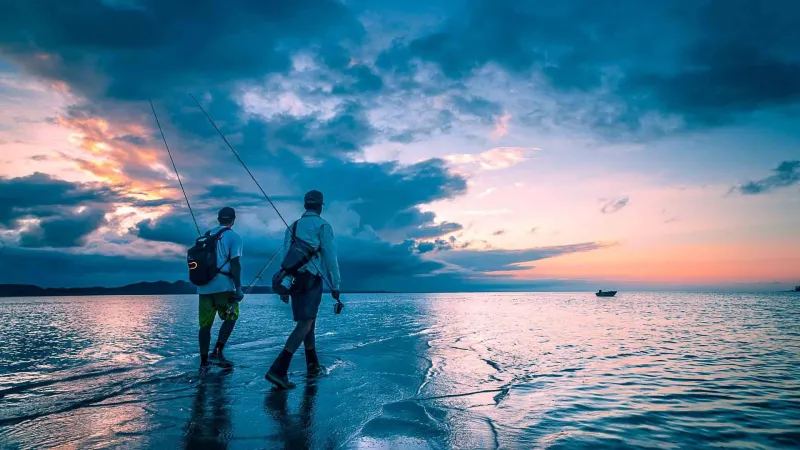
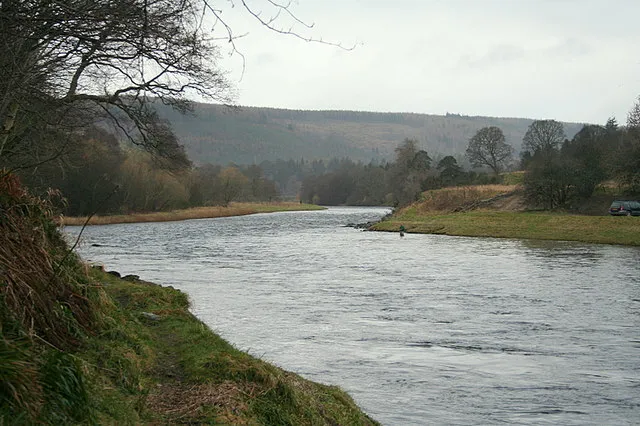
Seriously — when's the last time you spent five minutes just standing at the bank before your first cast, watching the surface? Noticing where baitfish were dimpling? Checking which way the current seam was running? Seeing where the herons were wading? These are the signals that have been putting fish in buckets for centuries, and they're completely invisible to your GPS.
The False Confidence Problem
Here's where technology gets genuinely dangerous for your fishing: it creates certainty where none exists.
Your weather app says winds will be calm until noon. Your depth finder shows a promising ledge at 14 feet. Your GPS is loaded with waypoints from last spring. You have a plan, and the plan feels solid. So when nothing happens, you trust the data over your own eyes. You stay on that ledge for two hours because the machine says the fish should be there.
Mike Callahan, a tournament bass angler from central Tennessee, described it this way: "I had a season a few years back where I was fishing my electronics more than I was fishing the water. I'd mark a waypoint and just hammer it. I was ignoring obvious stuff — wind-blown banks, shad activity, birds working. My graph told me where fish had been. It couldn't tell me where they were going."
That distinction matters enormously. Sonar shows you a snapshot. Fish move. Conditions shift. The guy who's watching the water in real time will always have an edge over the guy staring at a screen.
What Your Phone Can't Measure
Let's get specific about what technology genuinely misses:
Water clarity and color changes. A tannin-stained creek mouth dumping into a clear lake is a temperature and visibility break that attracts predators. No app flags that for you.
Subtle surface activity. Nervous water — that barely-there ripple pattern that tells you something small is getting pushed around just below the surface — is invisible to sonar and irrelevant to GPS.
Wind micro-patterns. Your weather app gives you regional wind data. But the way a particular cove channels a southwest breeze into a specific corner, stacking baitfish against a laydown? That's something you learn by being there, repeatedly, with your eyes open.
Behavioral cues from other species. Osprey hovering. Kingfishers working a stretch of bank. Turtles sunning on one side of a log but not the other. Experienced anglers read these constantly. They're biological GPS that's been calibrated over millions of years.
Recalibrating Your Instincts
The fix isn't to throw your Garmin overboard. It's to rebuild the habit of observation alongside your use of technology. Here's how to start:
Arrive ten minutes early and leave your phone in your pocket. Before you rig up, just watch. Give yourself a full ten minutes of uninterrupted water observation. Where's the bait? Where's the current? What's the light doing? You'll be surprised what you start noticing.
Use your electronics to confirm, not discover. Let your eyes find the likely spot first. Then use your depth finder to verify structure or check the thermocline. The sequence matters — you're training yourself to see the water, not outsource the seeing.
Keep a written log. Old school, yes. But there's something about writing down observations — water temp, sky condition, what you saw, what worked — that builds pattern recognition in a way that app data doesn't. After a season of logs, you'll start connecting dots that no algorithm has figured out yet.
Pick one session per month to go tech-light. No waypoints. No app. Just a rod, basic tackle, and your own read of the water. It'll feel uncomfortable at first. That discomfort is exactly the point.
The Tools Still Earn Their Place
Just to be clear: the angler who ignores technology entirely isn't the hero of this story either. Forward-facing sonar has genuinely changed competitive fishing. Navionics has helped countless people find fishable water in unfamiliar lakes. Real-time weather data keeps people safe.
The goal is integration, not rejection. Use the depth finder to understand a new lake's structure quickly. Use the weather app to decide whether to fish the morning or evening window. Then put the phone away and fish with your full attention on the water in front of you.
The best anglers we've talked to describe their electronics as a starting point — a way to narrow down 500 acres of lake to a handful of likely areas. After that, they trust what they see.
That's the balance worth chasing. Cast further. Fish smarter. And every now and then, just look at the water.