The Fishing License Isn't Enough: How Knowing Your State Regs Front to Back Puts More Fish in Your Hands
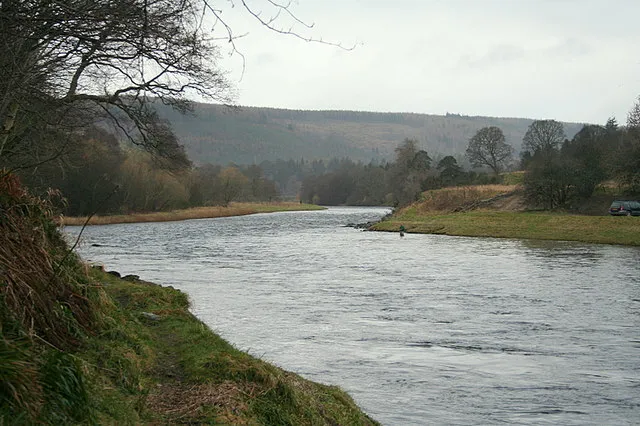
Photo: Des Colhoun, CC BY-SA 2.0, via Wikimedia Commons
Every year, somewhere in the neighborhood of 35 million Americans buy a fishing license. Most of them stuff it in a wallet, download a digital copy to their phone, and never think about regulations again until a warden shows up.
That's a missed opportunity — and not just because ignorance of the law is an expensive lesson when citations run $150 to $500 depending on your state.
Your state's annual fishing regulations aren't just a list of rules designed to slow you down. They're a detailed map of when, where, and how your fishery is managed — and if you learn to read them strategically, they'll tell you things about fish behavior, population cycles, and prime timing windows that no fishing app has figured out how to sell you yet.
The license costs you $25 to $50. The regulations booklet is free. Together, they might be the most underutilized thirty bucks in the sport.
Why Most Anglers Tune Out
Let's be honest about why regulations get ignored. They're dense. They're written in bureaucratic language. They're full of cross-references, zone numbers, and exception clauses that seem designed to frustrate casual reading.
A typical state regs document might run 60 to 100 pages. It'll have charts, maps, special management area descriptions, and species-specific sections that don't always connect obviously to each other. Most anglers flip to the page for their target species, check the size and bag limits, and close the booklet.
That's the equivalent of reading the ingredient list on a recipe and skipping the instructions.
What's Actually in There
Here's what most anglers are walking past:
Seasonal windows that reveal biology. When a state opens a walleye season on a specific date, that date isn't arbitrary — it's tied to spawn cycles, population recovery data, and management goals built on decades of fishery science. Knowing when a season opens tells you something about when those fish are in specific locations doing specific things. The pre-season period on many species is some of the best fishing of the year, on waters that are about to get hammered once the opener hits.
Special regulation waters. Most states designate certain stretches of river or specific lakes with rules that differ from the standard statewide regs — catch-and-release only sections, trophy management areas with elevated size limits, or wild trout streams managed without stocking. These spots are often less pressured because casual anglers skip the extra reading. They're frequently some of the best water in the state.
Stocking schedules and management reports. Many state fish and wildlife agencies publish stocking calendars alongside or within their regulations materials. Pennsylvania, Colorado, and Virginia, among others, maintain publicly accessible trout stocking schedules that let you plan around fresh fish in your local waters. This is free, public information that a surprising number of anglers have never looked for.
Exemptions and exceptions that expand your options. Certain waters may have extended seasons for specific species. Some states allow catch-and-release fishing during closed seasons on particular fish. Urban fishing programs in states like Texas and Illinois often operate under different rules than general statewide regulations, sometimes with no license requirement for certain age groups or locations.
Building Your Fishing Calendar Around Regs
This is where regulation knowledge shifts from defensive (avoiding citations) to offensive (actually catching more fish).
Start by pulling up your state fish and wildlife agency's website in January — before the season ramps up — and downloading or ordering the current year's regulations. Most states update them annually, and changes matter. Size limits shift. New special management areas get designated. Stocking programs expand or contract.
Then do this: build a twelve-month calendar and mark every season opener, closure, and transition date for the species you target. Add your state's stocking schedule if it's available. Note any special regulation waters within a reasonable drive.
What you'll end up with is a fishing calendar that most of your competition doesn't have. You'll know that the brown trout season on a specific tailwater opens two weeks before the general statewide opener. You'll know that the walleye slot limit on your home lake tightens in June, which tells you the state is seeing a gap in mid-size fish and protecting them. You'll know that a certain reservoir has a delayed bass season because it's managed as a trophy fishery.
Dave Hernandez, a recreational bass and catfish angler from central Texas, started doing exactly this about three years ago. "I spent an afternoon going through the TPWD regs properly for the first time," he said. "Found two lakes within an hour of my house that had special regulations I didn't know about. One of them had a 16-inch minimum on largemouth, which meant almost nobody was fishing it seriously. I've had some of my best days on that lake."
The Citation Math
It's also worth being blunt about the financial side of this.
A single violation — keeping a fish a half-inch under the legal size limit, exceeding your bag limit by one fish, fishing a closed section of river — can result in a fine that dwarfs your entire season's investment in gear and licenses. In many states, certain violations carry mandatory court appearances, license suspension, and in serious cases, equipment forfeiture.
Beyond the money, there's the conservation argument. Regulations exist because fish populations need them. The angler who genuinely understands why a slot limit or a closed season is in place is a better steward of the resource — and, not coincidentally, is usually fishing waters that are healthier and more productive because of proper management.
How to Actually Read the Booklet
A few practical tips for getting through it without glazing over:
Start with your species, then expand outward. Read your primary target fish section thoroughly first. Then read the general provisions section at the front, which covers licensing, gear restrictions, and universal rules. Then browse the special waters section for your region.
Use the agency's website alongside the printed booklet. Most state agencies now maintain searchable online versions of their regulations, plus FAQ pages that translate the legal language into plain English. The Texas Parks and Wildlife Department, Florida Fish and Wildlife Conservation Commission, and Michigan DNR all do this well.
Call the local warden if you're genuinely unsure. Game wardens are, in the experience of most anglers who've actually tried it, remarkably approachable when you're asking questions in good faith before you fish rather than after. They'd rather answer a question than write a citation.
Check for updates mid-season. Emergency regulation changes happen — population surveys trigger sudden closures or limit adjustments. Sign up for your state agency's email alerts if they offer them.
The thirty dollars covers the license. The hour you spend reading the regs covers everything else. It's the cheapest edge in fishing, and almost nobody takes it.