Every Lost Fish Is a Free Lesson — Here's How to Stop Wasting Them
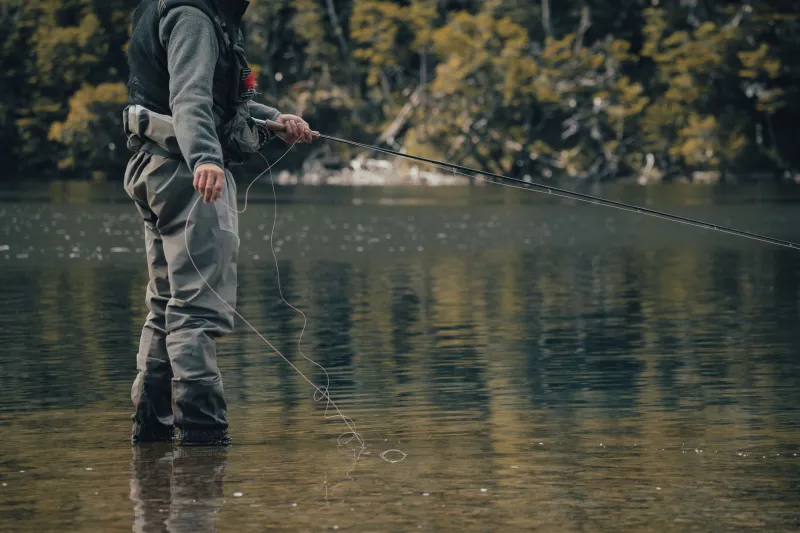
There's a ritual most fishermen know by heart. The rod doubles over, the line goes tight, the heart rate jumps — and then, nothing. Slack line. An empty hook swinging back at your face. You mutter something unprintable, reel in, and cast again.
That moment you just blew past? That was probably the most valuable thing that happened to you all day.
Serious anglers — the kind who consistently put fish in the boat across different seasons, different waters, and different conditions — have a habit that casual fishermen rarely develop. They study their losses the same way a coach studies game film. Not to beat themselves up. To get better.
If you're only paying attention when the fish is in your hand, you're working with half the data.
The Problem With Celebrating Every Catch
Landing a fish feels like confirmation that you did something right. And sometimes you did. But sometimes the fish just made a mistake, or the conditions happened to line up in your favor, or you got lucky with a drift. A successful catch doesn't always tell you why it worked — which means it doesn't always teach you how to repeat it.
A lost fish, on the other hand, almost always tells you exactly what went wrong. The problem is that most of us are emotionally wired to move on quickly. Frustration is uncomfortable. Dwelling on failure feels unproductive.
But here's the thing: if you can get a little detached about it — treat it like a puzzle instead of a personal insult — every lost fish becomes a detailed report on your technique, your gear, and the fish's behavior in that specific moment.
Breaking Down the Failure by Type
Not all lost fish are lost for the same reason. Start sorting them into categories and patterns will show up fast.
Missed hooksets are one of the most common and most informative failures. Did the fish tap and you swung too early? Too late? Was your rod tip too high, killing your hook-driving leverage? Species matter here too — a largemouth bass hitting a soft plastic needs a completely different hookset timing than a walleye mouthing a jig. If you're missing fish consistently on a specific presentation, that's not bad luck. That's a technique gap worth closing.
Knot and line failures are the ones that sting the most, because they're almost entirely preventable. A line that parts at the knot is usually telling you one of three things: you tied the knot incorrectly, you're using the wrong knot for that line type, or your line has degraded and you haven't noticed. Fluorocarbon behaves differently than monofilament under pressure. Braided line paired with the wrong terminal knot will fail every time under a heavy fish. Start logging where the break happened — at the knot, mid-line, or at a guide — and you'll have a clear action item after every failure.
Fish that come unbuttoned mid-fight are a whole different category. A bass that shakes a treble hook loose during an aerial jump might mean your hooks are dull, your drag is set too tight, or you're not keeping the right angle of pressure during the fight. A crappie that slips off a jig head near the boat often means you rushed the landing. Each scenario points somewhere specific.
Short strikes — where the fish shows interest but doesn't commit — tell you something about your presentation rather than your hookset. Speed, depth, lure profile, color: one of those variables is off. A fish that follows your crankbait to the boat three times without eating is practically begging you to experiment.
Build a Simple Loss Log
You don't need an app or a spreadsheet. A notes page on your phone works fine. After any notable lost fish, jot down four things: the species, the presentation you were using, what you think happened, and the conditions (water temp if you know it, time of day, depth).
Do this for a full season and you'll start seeing things that would never have been obvious otherwise. Maybe you lose a disproportionate number of fish on a specific jig head size. Maybe your hookup rate on topwater drops off in the afternoon when bass are less aggressive and you need to slow down. Maybe your knot game is solid on spinning tackle but falls apart when you're using heavier braid on a baitcaster.
These are patterns. And patterns are fixable.
What Tournament Anglers Already Know
If you've spent any time around competitive bass fishing, you'll notice that the best anglers in the country are almost clinical about failure. After a tough day on the water, they're not venting about bad luck — they're replaying specific moments, questioning their decisions, and adjusting for tomorrow. That mindset is a huge part of what separates a guy who occasionally wins from a guy who consistently finishes in the money.
You don't have to fish competitively to borrow that habit. The same approach works on a Saturday morning at your local reservoir. The only investment is a willingness to be honest with yourself about what went wrong.
Gear Failures Deserve the Same Scrutiny
Lost fish have a way of exposing equipment issues you've been ignoring. That rod with the slightly bent guide that you've been meaning to fix? It's creating friction and weakening your line on every cast. The reel drag you haven't cleaned in two seasons? It might be sticking under pressure right when you need it most. Hooks that haven't been replaced since last spring are probably dull enough to bounce off a fish's mouth.
When a fish gets off, ask yourself whether the failure was in your hands or in your gear. Both are useful answers. Technique problems require practice. Gear problems just require maintenance — or occasionally, a smarter purchasing decision.
Reframe the Loss Before You Cast Again
Here's the mindset shift that makes all of this practical: stop thinking of a lost fish as something that happened to you and start thinking of it as data for you. It's a weird reframe, but it works. The sting fades faster when you're already extracting value from the experience.
You'll still be frustrated. That's fine — it means you care. But if you can hold onto that frustration just long enough to ask why before you cast again, you're already fishing smarter than most of the people on the water with you.
The fish you land are your highlight reel. The fish you lose are your coaching staff. Start listening to both.