That Fish You Just Lost? Blame Your Drag — Not Your Cast
You had the perfect presentation. The hook set felt solid. And then, somewhere between the strike and the net, it just... came off. You replayed the whole thing in your head on the drive home. Bad knot? Wrong hook size? Pulled too hard?
Here's the thing nobody wants to hear: there's a solid chance your drag killed that fish long before you ever made a mistake. Improper drag settings are quietly responsible for more lost fish than bad casting, wrong lures, and poor timing combined — and yet most anglers set it once, forget it, and never give it another thought.
Let's fix that.
What Drag Actually Does (And Why It's Not Just About "Giving Line")
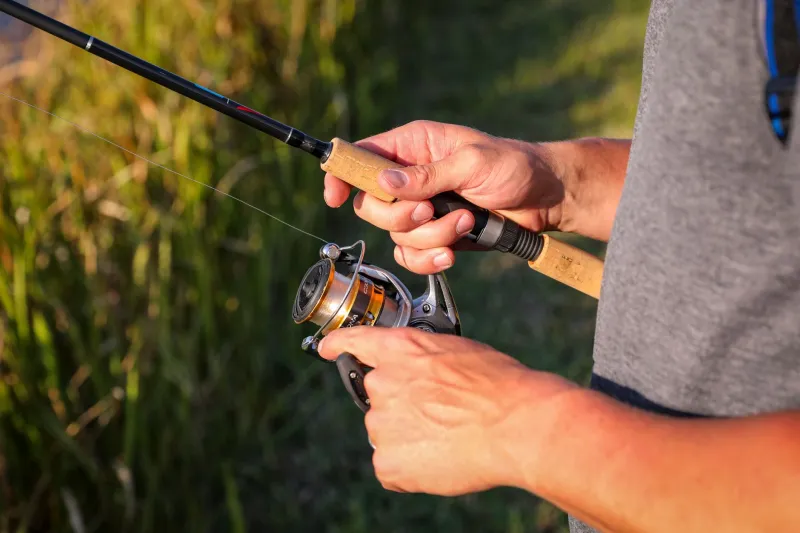
At its most basic, drag is a friction system inside your reel that allows line to peel off under a set amount of resistance. When a fish pulls hard enough to exceed that resistance, line releases rather than breaking. Simple concept — but the execution is where most people go wrong.
The real job of your drag isn't just to prevent break-offs. It's to maintain consistent, controlled pressure on the fish throughout the entire fight. Too loose, and the fish runs freely, shakes the hook, and you lose tension. Too tight, and you're risking snapped line, pulled hooks, or a reel that locks up at the worst possible moment.
Both failure modes cost you fish. And both are incredibly common.
The 25% Rule — And Why Most Anglers Ignore It
The standard recommendation from most tackle manufacturers and experienced guides is to set your drag at roughly 25–33% of your line's breaking strength. So if you're running 12-pound monofilament, your drag should slip somewhere between 3 and 4 pounds of pressure.
Here's how to actually test it: tie your line to a simple handheld spring scale (a basic fishing scale works fine), hold the rod at a 45-degree angle like you're fighting a fish, and pull. Watch the number where line starts to release. That's your working drag pressure. Adjust until it hits your target range.
Most anglers who try this for the first time are genuinely surprised. What felt like a firm drag is often running at 8 or 10 pounds on 12-pound line — and that's a recipe for either snapping off or pulling hooks clean out of a fish's mouth during a head shake.
Spinning Reels, Baitcasters, and Fly Reels Don't Play the Same Game
Drag tuning isn't a one-size-fits-all situation. The reel in your hand matters.
Spinning reels are the most forgiving but also the most abused. The front drag system on a spinning reel can lose consistency as it heats up during a long fight — especially with a big fish. The fix? Back off your drag slightly before a long run starts, and re-apply pressure manually with your palm on the spool if you need to stop a fish near structure. Never crank against a running fish on a spinning reel. The line twist alone will cost you down the road.
Baitcasting reels offer more precise drag adjustment but require more attention to the spool tension knob separate from the drag star. A common mistake is confusing spool tension with drag pressure — they're not the same thing. Spool tension controls backlash during the cast; drag controls resistance during the fight. Keep those jobs mentally separate and adjust accordingly.
Fly reels are a different animal entirely. Most trout anglers palm the reel as a secondary drag system, which works fine for smaller fish. But if you're chasing steelhead, big browns, or saltwater species on a fly rod, your reel's drag system needs to be dialed in with the same precision you'd apply to any other reel. A fish running 80 feet of line on a fly reel with a sticky drag can snap 5X tippet before you even react.
Species-Specific Situations Where Drag Becomes Critical
Different fish expose drag problems in different ways.
Bass — particularly largemouth near heavy cover — need a firmer initial drag to keep them from diving into weeds or dock pilings. The fight is usually short and violent. Set drag tighter than you think you need to, and be ready to use your thumb or palm as a supplement if they make a hard run toward structure.
Walleye have a relatively soft mouth. Too much drag during a hook set or a sudden surge will tear the hook right through the lip tissue. Keep your drag on the lighter side for walleye and let the rod do the absorbing work.
Trout in current are a case where the river is doing half the work for the fish. A fish holding in a fast run is effectively fighting with the current's weight added to its own. Your drag needs to account for that extra load — meaning you'll want it set lighter than you'd think to avoid snapping off during those long downstream runs.
Saltwater species — redfish, stripers, flounder — often have bony mouths and make multiple hard runs. Drag consistency under heat and pressure is critical here. Check your drag after every significant fight. Drag washers can compress and slip during a long battle, leaving you with an entirely different setting than what you started with.
Before You Leave the Dock: A 3-Minute Drag Check
Make this part of your pre-trip routine and it'll become second nature fast.
- Test with a scale. Pull line off the reel at the same angle you'd fight a fish. Confirm your drag releases at 25–30% of your line's rated breaking strength.
- Check for smoothness. Drag should release in a consistent, smooth pull — not in jerky, stuttering bursts. Stuttering drag is almost always a sign of dirty or worn drag washers.
- Back off after fishing. Leaving your drag cranked tight between trips compresses the washers and kills their consistency over time. Loosen it before you put the reel away.
- Re-test after a big fish. A long fight can shift your drag settings. Before you make your next cast, give it a quick pull-check.
The Misconception That's Costing You the Most
Here's the one that stings: a lot of experienced anglers believe they can feel whether their drag is set correctly. After years on the water, they trust their hands over a scale.
The problem? Human perception of tension is wildly inconsistent. We're influenced by adrenaline, rod flex, line angle, and a dozen other variables. Studies on angler performance consistently show that experienced fishermen are no better at estimating drag pressure by feel than beginners. The only reliable method is a scale.
Your instincts are valuable for reading water, presenting a lure, and knowing when to set the hook. For drag? Trust the numbers.
Cast Further. Fish Smarter. Check Your Drag.
The fish that got away might not have been a fluke. It might be a pattern — one that keeps repeating every time you step on the water with a drag setting that's too tight, too loose, or just inconsistent enough to fail when it matters.
Five minutes and a cheap spring scale can change that. It's one of the lowest-effort, highest-return adjustments any angler can make — and it's waiting for you before your next trip out.