Boredom Is the Skill: Why the Anglers Who Catch More Fish Have Learned to Do Less
There's a particular kind of angler you've probably seen at the lake. He's got the newest rod, a tackle box that looks like it was curated by an algorithm, and a phone mounted to his kayak running three different fish-finder apps simultaneously. He's also moved spots four times in the last two hours. And he's going home empty-handed.
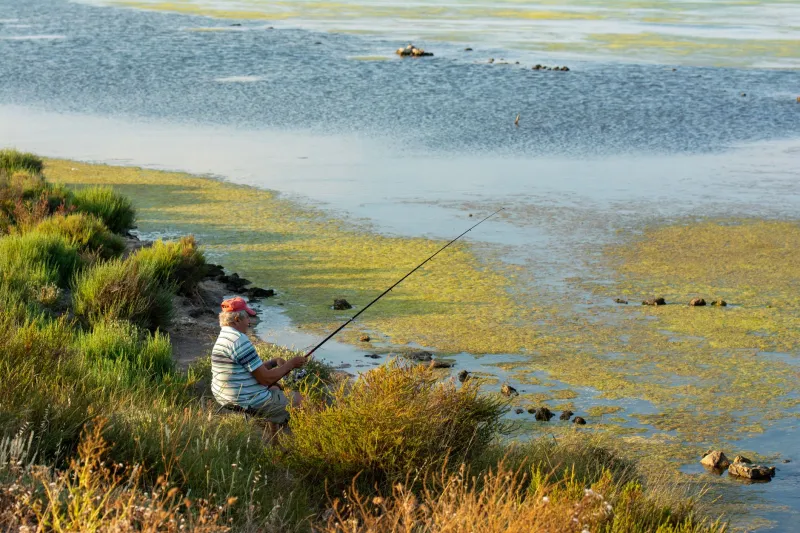
Meanwhile, thirty yards down the bank, some guy in a faded Carhartt jacket has been sitting in the same folding chair since seven in the morning. Same rod. Same bait. Same exact cast. And he's on his third keeper.
This isn't an accident. It's a pattern — and once you see it, you can't unsee it.
The Optimization Trap
Somewhere along the way, fishing culture got infected by the same productivity obsession that's overtaken every other corner of American life. Shorter sessions. Faster decisions. Constant gear rotation. The idea that if you're not actively doing something — switching lures, changing locations, upgrading your setup — you're falling behind.
The fishing industry, bless its heart, has done nothing to discourage this. New rod series drop every season. Lure manufacturers release "updated" color patterns on a quarterly basis. Fish-finding technology has become genuinely impressive and genuinely distracting in equal measure. Every piece of marketing whispers the same thing: the right gear will fix your problem.
But here's what the marketing doesn't say — most of the time, your gear isn't the problem. Your patience is.
Sports psychologists who study performance under uncertainty — and fishing is absolutely a performance under uncertainty — have a name for what happens when people feel like they're not making progress: action bias. It's the same impulse that makes goalkeepers dive during penalty kicks even when standing still statistically gives them a better chance of making the save. Humans are wired to do something when outcomes feel out of our control. On the water, that impulse costs fish.
What the Data Actually Suggests
Formal comparative studies on recreational angler behavior are hard to come by, but tournament data and guide-reported catch logs paint a pretty consistent picture. Methodical anglers — those who commit to a location for extended periods, vary their presentation subtly rather than dramatically, and resist the urge to constantly relocate — tend to outperform reactive anglers across most freshwater species and conditions.
Guides who work pressured fisheries in places like Lake Okeechobee, the Ozark highland lakes, and the walleye-heavy waters of the upper Midwest will tell you the same thing in different words: the clients who catch fish are the ones willing to sit with discomfort. The ones who ask "should we move?" every twenty minutes are the ones who go home with photos of scenery instead of fish.
The reason isn't mysterious. Fish, particularly larger and more experienced specimens, respond to repeated, consistent presentations differently than they respond to frantic lure changes. A big largemouth that's been in a spot for two seasons has seen a lot of bait. What gets her attention isn't novelty — it's persistence. The same profile, in the same zone, hitting the water at the same cadence, eventually triggers a strike not because the fish was fooled but because the fish made a decision. And decisions take time.
The Hidden Cost of Moving Too Fast
Every time you pull up stakes and relocate, you're not just burning time. You're resetting a process that may have been closer to producing results than you realized.
Fish don't operate on your schedule. A bass holding under a dock at 9 a.m. might not be actively feeding. By 10:15, the light angle shifts, the water temperature in that shadow pocket ticks up half a degree, and suddenly she's looking. If you left at 9:45 because nothing was happening, you'll never know what you missed.
This is what we're calling the patience tax — the invisible toll that impatience charges on your long-term catch rate. It's paid in fish you almost had, spots you abandoned too early, and presentations you didn't give enough time to work. The tax is real, it compounds, and most anglers never notice they're paying it.
Embracing Productive Boredom
Here's the reframe that actually helps: boredom on the water isn't dead time. It's data collection.
When you commit to a spot and a presentation and you're not getting strikes, you're learning. You're learning what doesn't work in these conditions, at this time, with this species. That information has value — not just today, but every time you fish that body of water going forward. The angler who's sat in that same spot twenty times without a bite and kept meticulous mental notes is building a picture that no fish-finder app can replicate.
Methodical anglers also tend to notice things that hurried anglers miss. The subtle surface disturbance that suggests a baitfish school just moved through. The way the wind direction shifted and what that means for where fish are holding. The heron that just landed eighty yards upstream — and what that tells you about where the shallows are holding forage right now. Attention is a resource, and when you're not burning it on constant relocation decisions, you have more of it available for actual observation.
Practical Ways to Slow Down Without Losing Your Mind
Nobody's saying you need to sit motionless for six hours. That's not patience — that's stubbornness. The goal is structured commitment, not paralysis.
Set a minimum time. Before you move, you have to have genuinely worked a spot for at least forty-five minutes. Not forty-five minutes of constant casting, but forty-five minutes of varied presentations within the same zone. Change your retrieve speed. Try a different depth. Adjust your angle. Give the spot a real chance before you write it off.
Limit your lure rotations. Pick three presentations for the day and stick with them. Decision fatigue is real, and every time you dig through your tackle box looking for the next miracle bait, you're losing focus and wasting time that could be spent fishing.
Leave the phone in the truck. Or at least in your bag. Fish-finder apps have their place, but checking them every fifteen minutes pulls you out of the observational mindset that actually makes you a better angler.
Fish with someone slower than you. Seriously. Find the most patient angler you know and spend a day on the water with them. Watch how they move, how long they stay, how they make decisions. It's the cheapest fishing education available.
The Real Competitive Edge
Tournament anglers who've built long careers — not one-hit-wonder seasons, but sustained success over decades — almost universally cite patience as a core skill. Not patience in the passive, waiting-around sense, but active patience. The discipline to stay in a productive zone when your gut is telling you to run. The willingness to throw the same bait for two hours because you believe in the setup. The ability to sit with uncertainty without letting it drive your decisions.
That's the competitive advantage most recreational fishermen overlook, and it doesn't cost a dime. No new rod, no upgraded reel, no subscription app. Just the willingness to slow down, pay attention, and let the fish come to you on their terms.
The guy in the Carhartt jacket figured that out a long time ago. The water's been teaching it for longer than any of us have been fishing.